Door Knocking Is Dying: What Smart Roofing Companies Do Instead
Door knocking burns gas, burns reps, and burns trust. Here's what roofing companies pulling $5M+ in revenue do to generate leads without ever stepping on a porch uninvited.
By LeadFlow Team
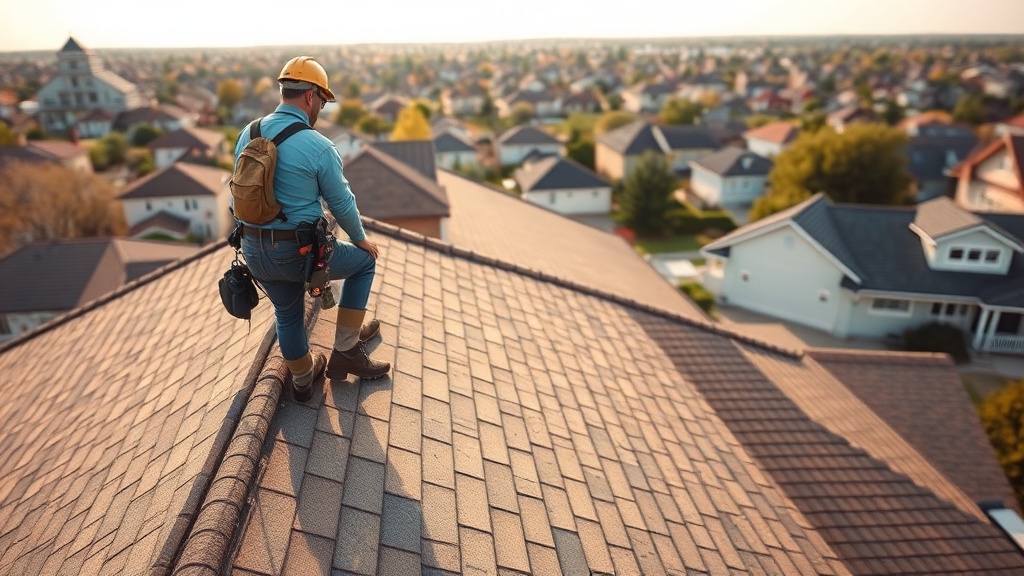
Door Knocking Is Dying: What Smart Roofing Companies Do Instead
Let's get the uncomfortable truth out of the way: door knocking still works. It does. A good canvasser can pull 2-3 appointments per day if they're sharp, persistent, and lucky.
But here's the math nobody talks about.
The Real Cost of a Door-Knocked Lead
Your average canvasser makes $15-20/hour base, plus commission. They drive 40-80 miles a day in a wrapped truck burning $4.50/gallon diesel. They knock 60-100 doors. They get 50 "not interested" responses, 30 nobody-homes, 15 angry reactions, and maybe 3-5 conversations that turn into 1-2 appointments.
Of those appointments, maybe 40% close. On a good day.
So your actual cost per closed deal from door knocking looks something like this:
- Canvasser pay: $160/day (base)
- Gas and vehicle wear: $35-50/day
- Opportunity cost of a salesperson not selling: incalculable
- Turnover cost when they quit after 3 months: $3,000-5,000 in recruiting and training
When you add it all up, a door-knocked lead costs you $180-$350 per closed deal when you factor in the failure rate. And that's before you count the brand damage of having someone show up uninvited at 6pm on a Tuesday.
Why the Best Roofing Companies Have Already Moved On
Talk to any roofing company doing $5M+ in annual revenue. Ask them what percentage of their business comes from door knocking. The answer is almost always under 15%.
The rest? It comes from systems. Predictable, scalable, repeatable systems that generate leads while their team is focused on selling and installing.
Here's what those systems look like.
1. Paid Search That Captures Demand
When a homeowner's roof starts leaking at 2am, they don't wait for a knock on the door. They Google "roof repair near me" from their phone while standing under the drip with a bucket.
Google Ads for roofing keywords cost $15-45 per click depending on your market. That sounds expensive until you realize these people are actively looking for a roofer right now. Close rates on inbound search leads run 25-35% for companies with decent follow-up.
Your cost per closed deal from paid search: $400-800. Sounds higher than door knocking until you realize there's no canvasser to pay, no gas to burn, and the leads come in at scale. You can go from 10 leads a week to 50 by adjusting a budget slider.
Try doing that with door knocking.
2. Local SEO That Builds a Moat
Here's something door knocking will never do for you: compound over time.
Every blog post you publish, every Google review you earn, every local citation you build — they stack. A roofing company that's been investing in SEO for 18 months will generate 30-60 organic leads per month at essentially zero marginal cost.
Those leads close at 30-40% because the homeowner already trusts you. They read your reviews. They saw your content. They chose you before they ever picked up the phone.
Door knocking doesn't compound. Monday's knocking produces Monday's leads. Tuesday starts at zero again.
3. Retargeting That Follows Up for You
82% of homeowners who visit a roofing website don't call on the first visit. They're researching. Comparing. Procrastinating.
Retargeting ads follow those visitors around the internet for pennies — $2-5 CPM — reminding them you exist. When they're finally ready to pull the trigger, you're the company they remember.
A door knocker can't follow a homeowner around for two weeks. Retargeting can.
4. Referral Systems That Scale Word of Mouth
The best lead any roofing company gets is a referral. Everyone knows this. But most companies leave referrals to chance.
Smart roofing companies systematize referrals. They send automated texts 30 days after install asking for reviews. They offer $250-500 referral bonuses through tracked links. They build referral partnerships with real estate agents, insurance adjusters, and property managers.
A door knocker generates one conversation at a time. A referral system generates conversations while you sleep.
The Transition Plan (Because You Can't Quit Cold Turkey)
Nobody's telling you to fire your canvassers tomorrow. Here's a realistic 90-day transition:
Days 1-30: Launch Google Ads targeting high-intent keywords in your service area. Budget: $2,000-3,000/month. Set up a landing page that converts. Get your Google Business Profile fully optimized with photos, services, and a review generation system.
Days 31-60: Start publishing weekly content — blog posts about roof maintenance, storm damage signs, insurance claim tips. Build local citations on the top 50 directories. Start a retargeting campaign for website visitors.
Days 61-90: Analyze which channels are producing. Double down on what's working. Begin reducing canvassing hours as inbound volume increases. Redeploy your best canvassers as closers for inbound leads — they'll make more money and stay longer.
The Objection You're Already Thinking
"But my market is different. Homeowners here respond to door knocking."
Maybe. But homeowners everywhere respond to trust. And trust is built faster through a strong online presence, verified reviews, and professional branding than it is through a stranger in a polo shirt on their porch.
The roofing companies that will dominate the next decade aren't the ones with the biggest canvassing teams. They're the ones with the best digital infrastructure.
Door knocking isn't dead yet. But it's on life support. And the companies still depending on it are going to get left behind by the ones who built something better.
The question isn't whether to make the switch. It's whether you make it now, while you still have time to build the systems — or later, when your competitors already have.
Keep Reading
Digital Marketing vs. Door Knocking: The Numbers Don't Lie
We tracked 12 roofing companies over 18 months — half relying on canvassing, half investing in digital. Here's what the data actually shows.
How to Scale Your Roofing Company Without Burning Out Your Crew
Growing from $2M to $5M breaks most roofing companies — not because of demand, but because the owner tries to scale by running everyone harder. Here's a different path.
The True Cost of a Bad Roofing Lead (And How to Stop Paying for Them)
That $45 lead from a shared lead service just cost you $312 when you factor in drive time, gas, rep hours, and opportunity cost. Here's the math — and the fix.