Insurance Claim Marketing: Educating Homeowners Without Being Sleazy
Insurance restoration marketing walks a fine line between helpful and predatory. Here's how to educate homeowners about their coverage while building trust instead of burning it.
By LeadFlow Team
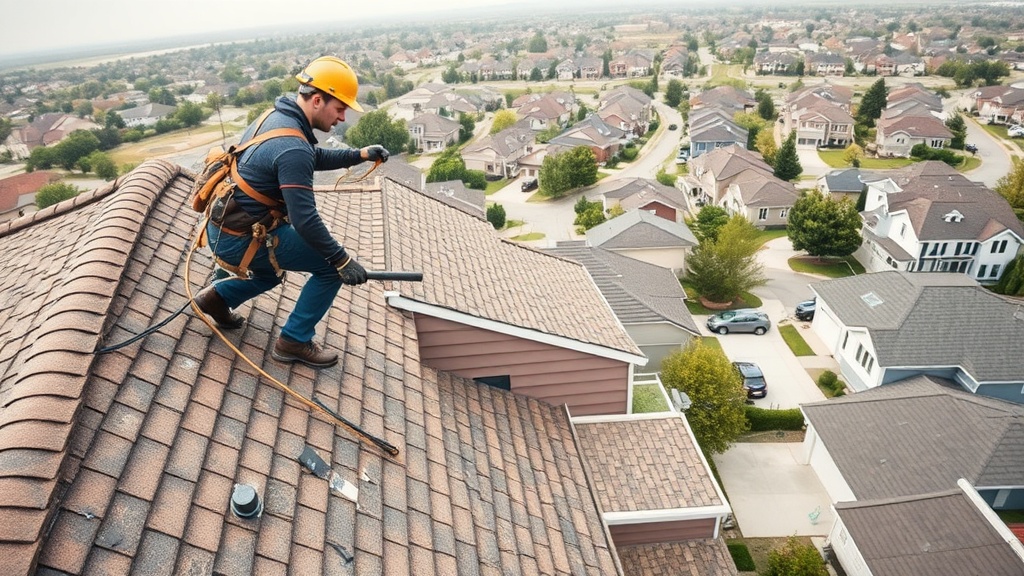
Insurance Claim Marketing: Educating Homeowners Without Being Sleazy
Insurance restoration is the most profitable segment of residential roofing. Average ticket: $12,000-18,000. Homeowner out-of-pocket: their deductible. Close rate for legitimate claims: 60-75%.
It's also the segment with the most reputation risk.
The moment you start marketing insurance claims, you enter a minefield. Homeowners are already wary. Adjusters are combative. State regulators are watching. One wrong move — a misleading mailer, an aggressive canvasser, a shady supplementing practice — and you're the villain on the evening news.
But here's the thing: homeowners genuinely need help. Most of them have no idea what their insurance covers. They don't understand the claims process. They don't know what storm damage looks like. They need an expert to guide them through it.
You can be that expert without being a predator. Here's how.
The Problem With How Most Roofers Market Insurance Claims
The typical insurance claim marketing playbook looks like this:
- Storm hits
- Send canvassers to affected neighborhoods
- Script: "We noticed damage on your roof. We can work with your insurance company to get you a new roof at no cost except your deductible."
- Push for a signed contingency agreement on the first visit
- File the claim, push for supplements, collect the check
This approach works in the short term. It also generates complaints, negative reviews, attorney general inquiries, and a reputation that follows you for years.
The specific problems:
- "No cost" language is misleading. The homeowner pays their deductible, which is often $1,000-5,000. Saying "no cost" sets the wrong expectation.
- Pushing for a signature before the inspection is aggressive. The homeowner hasn't even confirmed they have damage yet, and you want a contract?
- "We noticed damage" when you were standing in the street is dishonest. You can't see hail damage from the ground. The homeowner knows this, even if they don't say it.
- It trains homeowners to see roofers as opportunistic. Every aggressive interaction makes the next roofer's job harder.
The Education-First Approach
Here's an alternative that generates the same revenue without the reputational baggage.
Create the Definitive Insurance Claim Resource for Your Market
Build a comprehensive page on your website — not a blog post, a full resource hub — titled something like "Storm Damage Insurance Claims in [County/City]: The Homeowner's Complete Guide."
Include:
- How to identify storm damage: Real photos (yours, not stock) of hail hits on shingles, wind damage, granule loss. Show them what to look for on their own roof from the ground.
- How the insurance claim process works: Step by step, from filing to adjuster visit to approval to payment. Demystify it.
- What insurance typically covers: Be specific to your state. In Texas, most HO-3 policies cover hail damage to roofs with no age restriction. In Florida, it's more complicated. Be accurate.
- What insurance doesn't cover: Wear and tear, cosmetic damage in some states, roofs over a certain age on some policies. Being upfront about limitations builds massive trust.
- How to choose a roofing contractor for insurance work: Include criteria that obviously point to you (licensed, insured, experience with supplements, local references) but frame it as objective advice.
- Common scams to avoid: Yes, tell homeowners about the bad practices in your own industry. This counterintuitively builds trust because you're showing you're different.
This resource does several things at once:
- It ranks on Google for "insurance claim roofing [city]" queries
- It establishes you as the expert
- It pre-educates homeowners so they show up to your appointment already understanding the process
- It differentiates you from every other roofer who just shows up and pitches
Run Educational Content After Every Storm
Within 48 hours of a significant storm, publish:
- A blog post: "[City] Hail Storm [Date]: What Homeowners Need to Know"
- A social media video: Walk through a neighborhood (not knocking on doors) pointing out damage signs
- An email to your list: "If you're in [affected area], here's what to check and what to do next"
- A Facebook ad to the affected zip codes: Link to your insurance claim guide, not to a contact form
The content should be 80% education, 20% offer. The offer should always be a free inspection, not a contract signing.
Change the Inspection Experience
When a homeowner calls for an inspection based on your educational content, the inspection itself should continue the education.
What most roofers do during an inspection: climb up, take photos, come down, show a few pictures, push for a signed agreement.
What you should do:
-
Walk the homeowner through the process before you climb. "Here's what I'm going to look for. Here's what hail damage looks like on your type of shingle. I'll document everything and show you exactly what I find."
-
Bring them into the evidence. Show them real-time photos on your tablet. Explain each one. "This is a hail hit — see the exposed fiberglass mat? That's what your adjuster will be looking for."
-
Be honest about borderline cases. If the damage is minor, say so. "You have some hits, but honestly, your adjuster might not approve a full replacement. We could file and see, or you might want to wait until you have more clear-cut damage." That honesty is so rare in this industry that homeowners will remember you forever.
-
Explain the timeline and next steps clearly. "If you decide to file a claim, here's exactly what happens. Your adjuster will come in 5-10 business days. They'll do their own inspection. If approved, you'll get a check minus your deductible. We'll match the scope, do the work, and collect the depreciation release from insurance when we're done."
-
Don't pressure the signature. "Here's our agreement. Take it home, read it, talk to your spouse. We'll be here when you're ready." A homeowner who isn't pressured is a homeowner who closes at a higher rate and never leaves a negative review.
Use Testimonials That Specifically Address Trust
Generic testimonials ("Great company, great work!") don't move the needle for insurance claim marketing. You need testimonials that address the specific fears homeowners have.
The gold-standard insurance claim testimonial sounds like this:
"I was skeptical when [company] knocked on our door after the storm. But they walked me through the entire insurance process, were completely transparent about costs, and didn't pressure me at all. My adjuster approved the claim, and the new roof looks amazing. They even helped me understand my policy better for next time."
That testimonial addresses skepticism, transparency, no pressure, and education — all the objections a homeowner has about insurance claim roofers.
Collect these testimonials systematically. Ask specific questions: "Were you worried about working with a roofer on an insurance claim? What made you feel comfortable? Would you recommend us to a neighbor in the same situation?"
The Revenue Impact
Roofing companies that take the education-first approach to insurance marketing typically see:
- Higher close rates: 65-80% vs. 45-55% for aggressive approaches
- Higher average tickets: Educated homeowners approve upgrades more often
- More referrals: Homeowners who feel educated and empowered tell their neighbors
- Fewer complaints and chargebacks: No surprises means no disputes
- Better adjuster relationships: When you're known as a straight shooter, adjusters work with you instead of against you
The sleazy approach might produce faster results in the first 30 days. The education approach produces better results for the next 30 years.
Your choice.
Keep Reading
Digital Marketing vs. Door Knocking: The Numbers Don't Lie
We tracked 12 roofing companies over 18 months — half relying on canvassing, half investing in digital. Here's what the data actually shows.
How to Scale Your Roofing Company Without Burning Out Your Crew
Growing from $2M to $5M breaks most roofing companies — not because of demand, but because the owner tries to scale by running everyone harder. Here's a different path.
The True Cost of a Bad Roofing Lead (And How to Stop Paying for Them)
That $45 lead from a shared lead service just cost you $312 when you factor in drive time, gas, rep hours, and opportunity cost. Here's the math — and the fix.